☎ (480) 637-2762
★★★★★ Mesa's Top-Rated Home Window Tinting Company

Mesa Home Window Tinting Service.

We install residential window tinting built for Mesa's sun. Get cooler rooms, lower SRP bills, and up to 99% UV protection — with a lifetime warranty.

  • Free In-Home Estimates
  • Local, Family-Owned Business
  • Lifetime Warranty on Film & Install
Before & After

Why Tint Your Home Windows in Mesa?

Mesa gets over 300 days of sun a year, and every one of them pours heat through your glass. This makes tinting your home windows one of the highest-payback upgrades you can make in the Valley.

Cut Your Electric Bill — and Qualify for an SRP Rebate

Glass is among the biggest sources of heat gain in a Mesa home, especially west-facing rooms that bake all afternoon. Our quality solar or ceramic film rejects a large share of that solar heat before it reaches your living space — easing the load on your AC during the most expensive hours of the day. And if you're an SRP customer, qualifying solar window film currently earns a rebate of $1.00 per square foot. We can confirm your film qualifies and handle the documentation for you.

Block Up to 99% of the UV Rays That Fade Your Home

UV is the #1 cause of fading on hardwood floors, leather, upholstery, artwork, and cabinets — even through dual-pane glass. Our quality window film blocks up to 99% of UV, making it the most cost-effective insurance you can buy for your flooring and furniture.

Cut Glare Without Losing Natural Light

Afternoon glare can make TVs unwatchable and home offices uncomfortable. Our film cuts glare dramatically — often 80% or more — without leaving the room dark or closed in.

Add Privacy Without Losing Your View

Corner lots, busy streets, and a neighbor's second-story windows are facts of life for many Mesa homes. The right film lets you see out clearly while ensuring your privacy.

HOA-Friendly Appearance

Many Mesa communities have architectural guidelines on how window film looks from the street. This is where a professional home window tint installer matters — the right neutral or spectrally selective film delivers the performance without the mirrored look that gets flagged by an HOA.

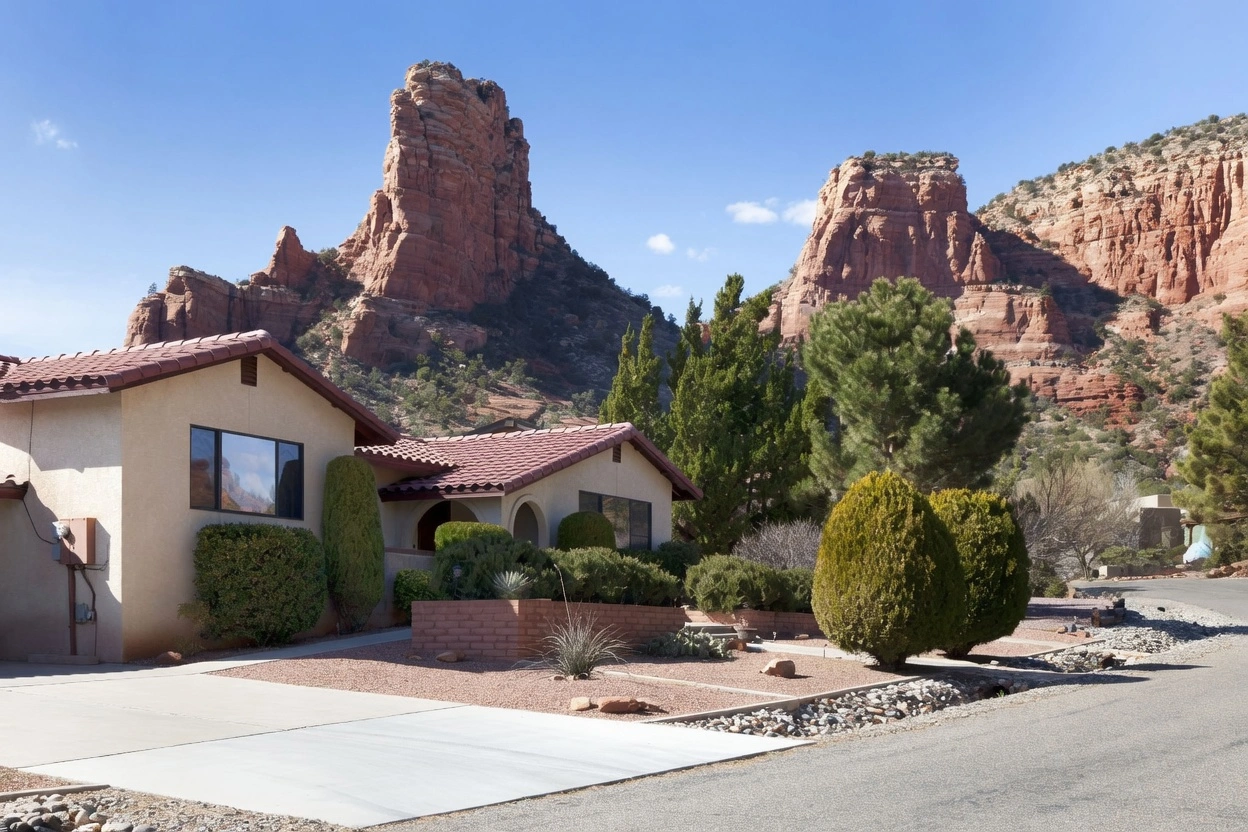
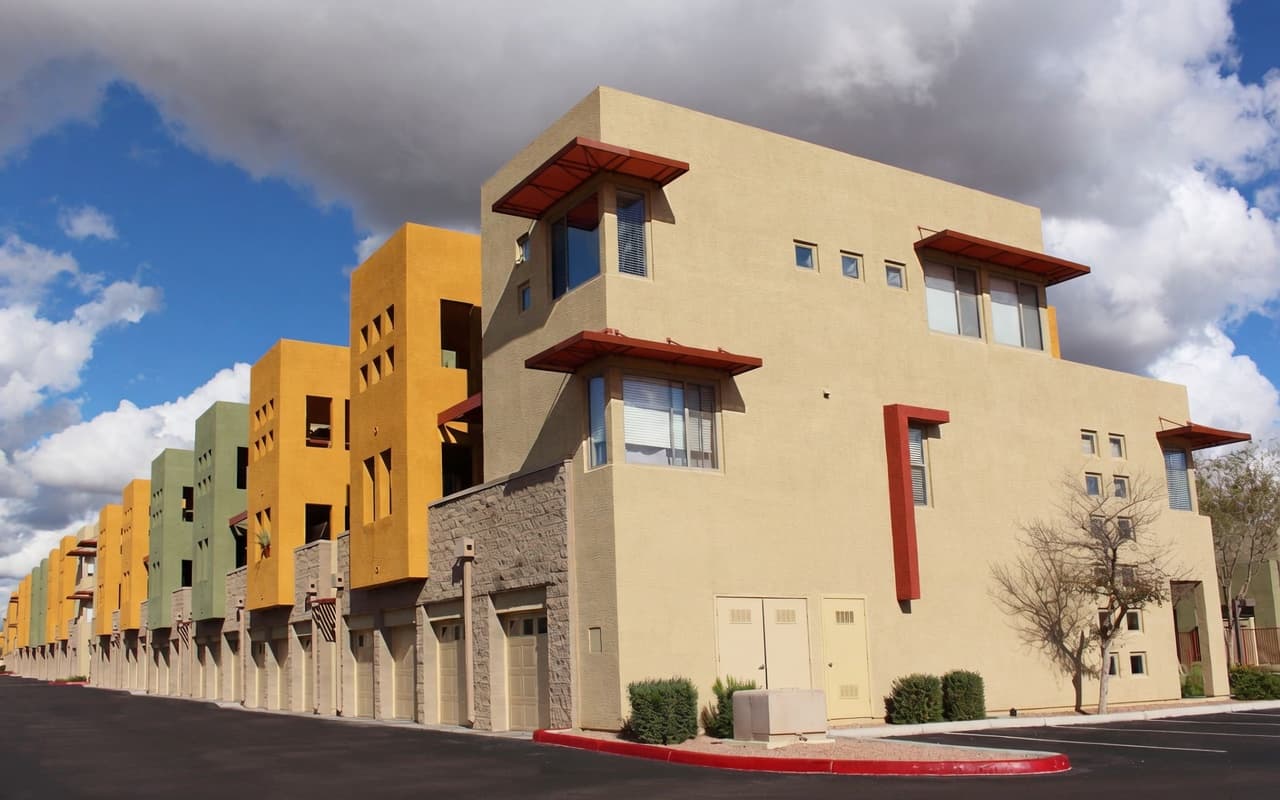
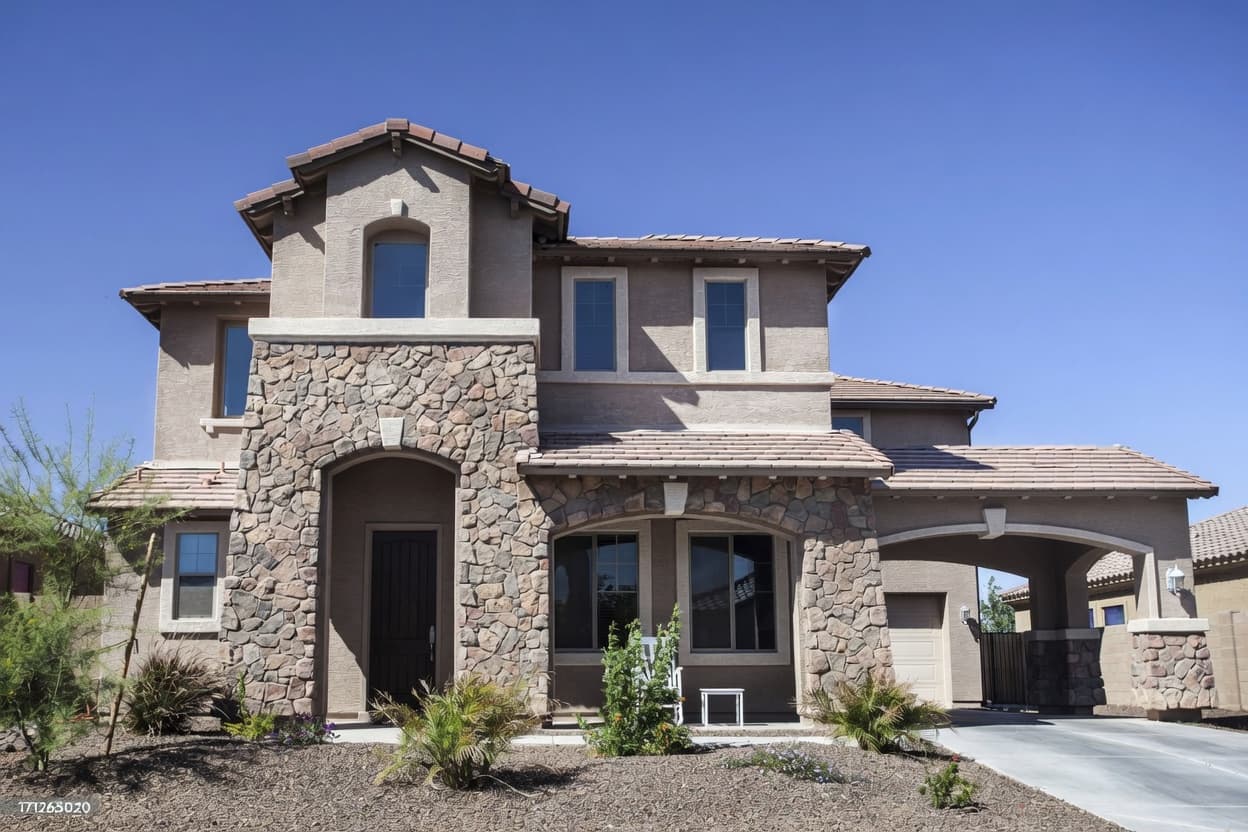
Home window tinting installation on a Mesa AZ home
What We Install

Home Window Tinting Services in Mesa, AZ

We've tinted hundreds of homes across Mesa, Gilbert, Chandler, Scottsdale, and the broader East Valley. From single sun-baked rooms to full-home ceramic tinting on new builds in Queen Creek and HOA-regulated properties in Las Sendas, here's everything we handle:

Whole-Home Solar Window Film

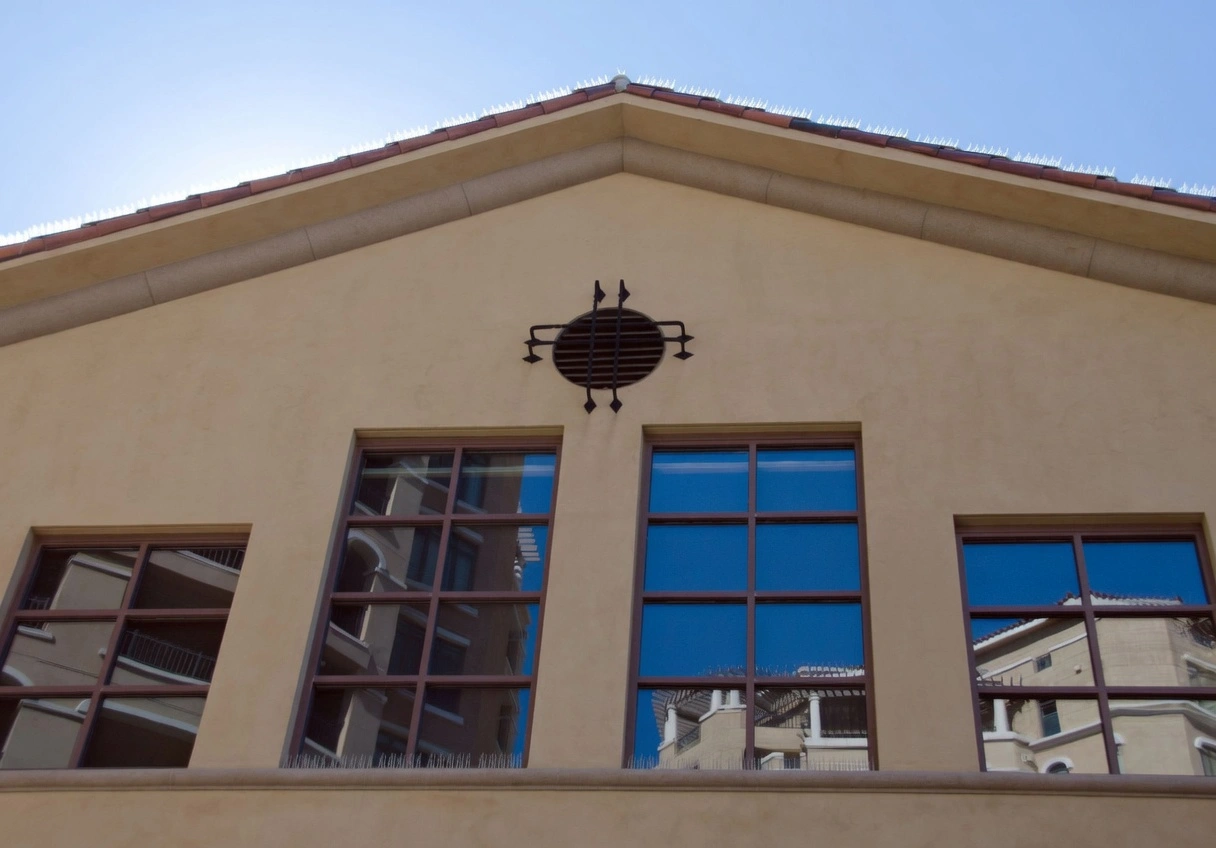
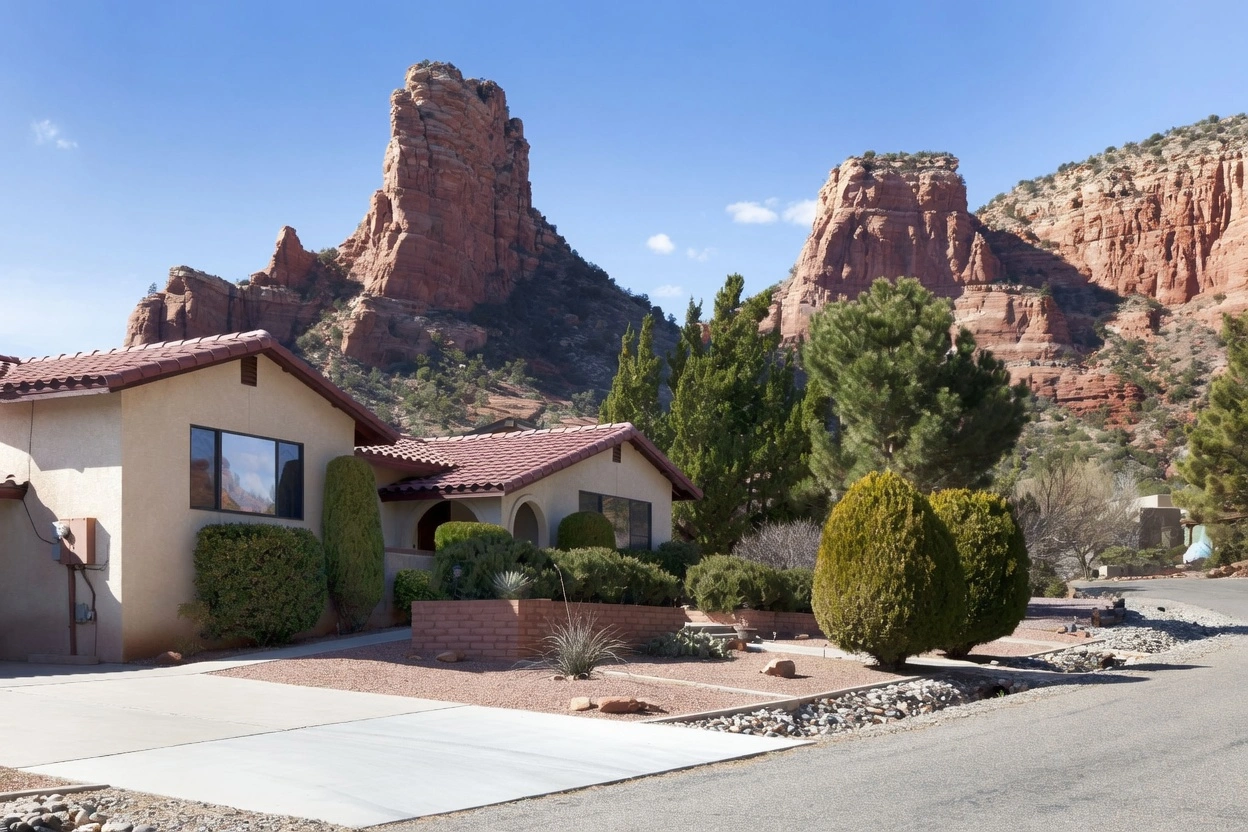
Solar window film installation on a Mesa AZ home

Solar film is the most common project we run in Mesa, and it's also the one where matching the film to your glass matters most. A west-facing great room with dual-pane Low-E glass needs a different film spec than an east-facing single-pane bedroom window, so we measure and check your glass type room by room rather than quoting a single blanket product for the whole house.

The result: cooler rooms, lower AC bills during peak hours, and windows that still look and feel like windows — not darkened inside, not mirrored outside.

  • Room-by-room glass assessment before we quote
  • Spectrally selective film options that don't darken the room
  • Safe for dual-pane and Low-E glass when properly specified
  • Free on-site estimate before any work begins

Ceramic Window Film

Ceramic window film installation on a Mesa AZ home

Ceramic film uses non-metallic, nano-ceramic particles instead of the metal layers found in older solar films. That means it rejects a very high percentage of infrared heat without interfering with cell signal, Wi-Fi, garage door remotes, or satellite reception.

It's our top recommendation for west-facing rooms, home offices, and anywhere heat rejection matters most. Older films could only cut heat by going dark — the darker the film, the more heat it blocked, which is why cheap tint jobs often left rooms feeling dim and windows looking almost black from outside. Ceramic film breaks that trade-off: a lighter, natural-looking ceramic film can reject as much heat as a much darker older-style film, so you get the comfort without the "blacked-out" look.

  • High infrared heat rejection without signal interference
  • Won't fade, purple, or bubble the way older dyed film can
  • Best option for dual-pane Low-E glass in most cases
  • Backed by a lifetime manufacturer warranty
🛡

UV & Fade Protection Film

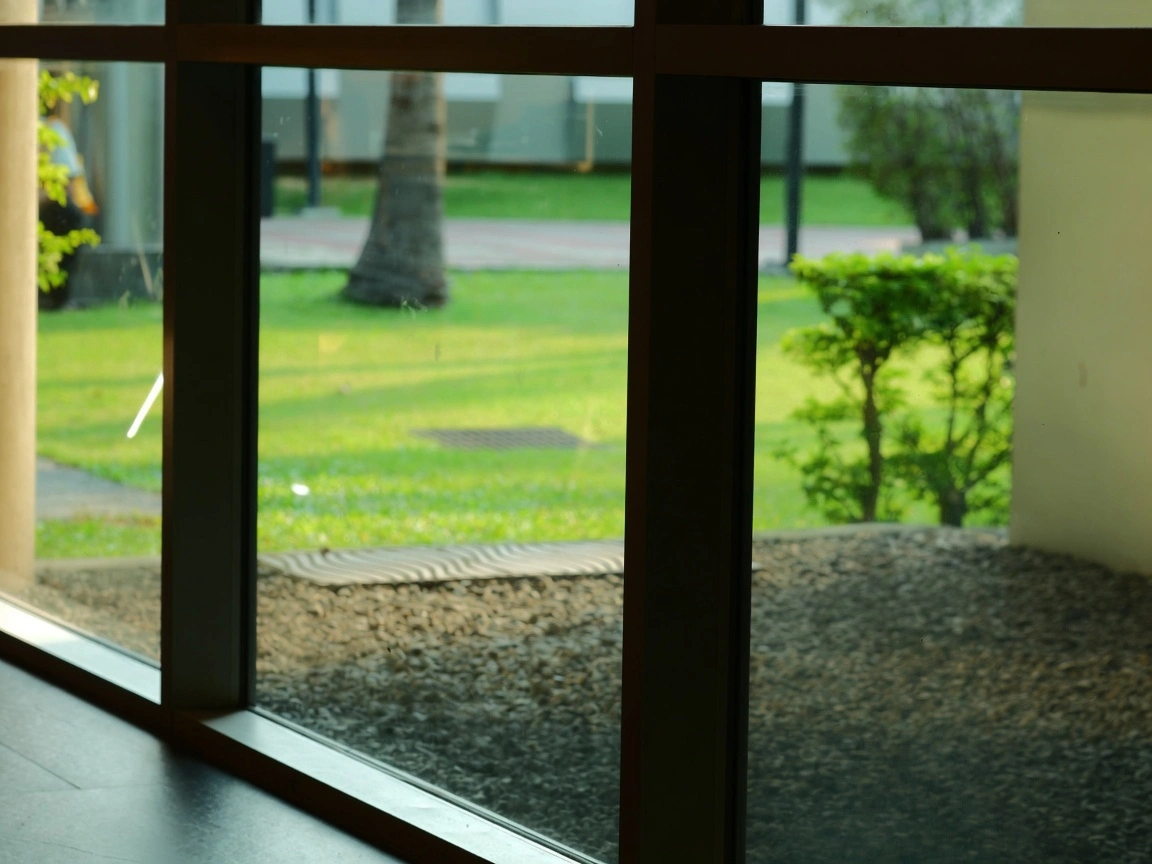
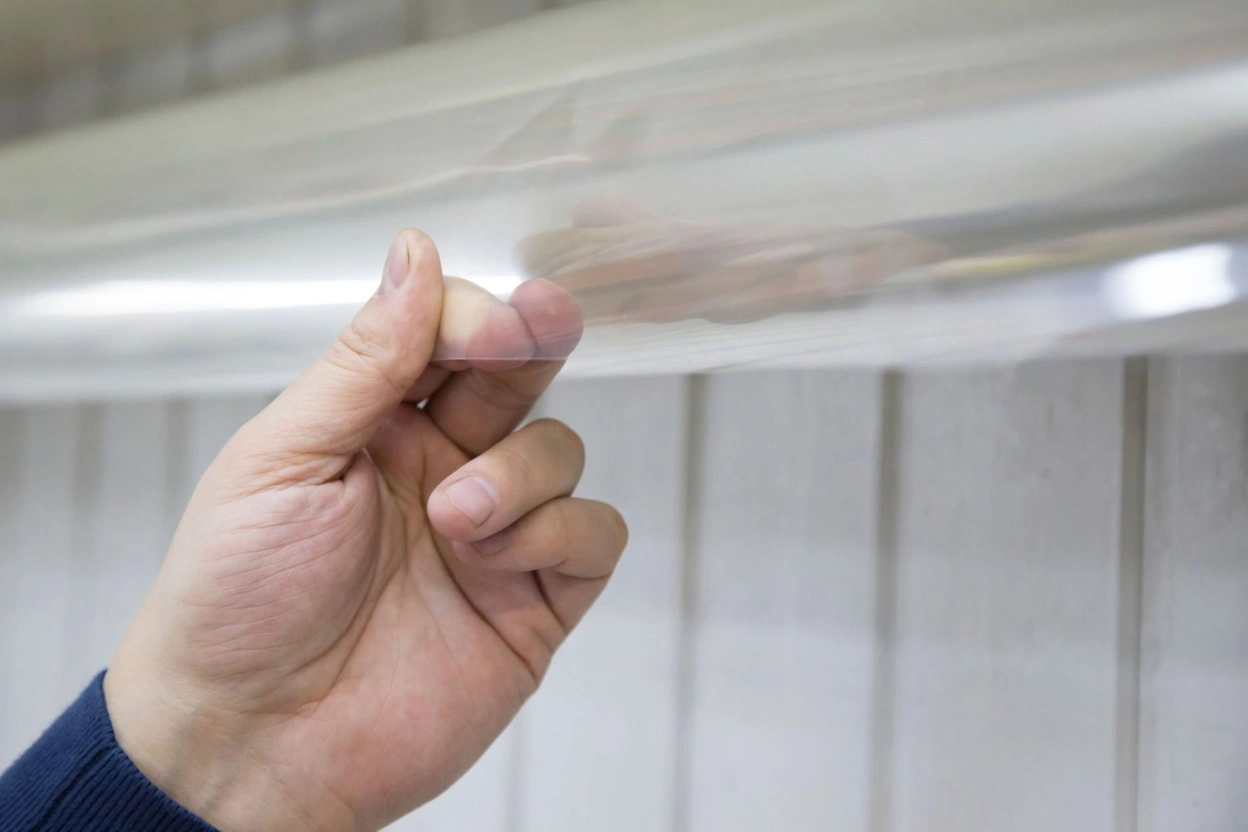
UV fade protection window film for a Mesa home interior

If your priority is protecting floors, rugs, leather furniture, and artwork rather than dropping the room temperature, we can install a nearly clear UV-blocking film that lets in almost the same amount of visible light while still stopping the vast majority of the ultraviolet rays responsible for fading.

This is a popular option for homeowners who love natural light and don't want a visibly darker window, but still want to stop the sun-bleaching that shows up on Mesa homes.

  • Blocks the large majority of UV rays that cause fading
  • Virtually clear: barely visible once installed
  • Great for rooms with hardwood floors or leather furniture
  • Pairs well with skylights and sunrooms
👁

Privacy Window Film

Privacy window film installation in a Mesa AZ home

One-way privacy film is a popular choice for front-facing living rooms, home offices near the street, and homes with close neighbors. During the day, our privacy film gives your windows a subtle mirrored look from outside, while you keep a clear view from inside — no need to close blinds to keep neighbors and passersby from seeing in.

But it's worth knowing that this daytime effect reverses at night once your interior lights are on, so we walk every homeowner through where privacy film makes sense and where blinds or a different film type is the better call.

  • Daytime privacy without losing your outward view
  • Popular for front rooms, home offices, and street-facing glass
  • Available in mirrored or subtler neutral tones
  • We can talk you through the nighttime visibility tradeoff

Decorative & Frosted Glass Film

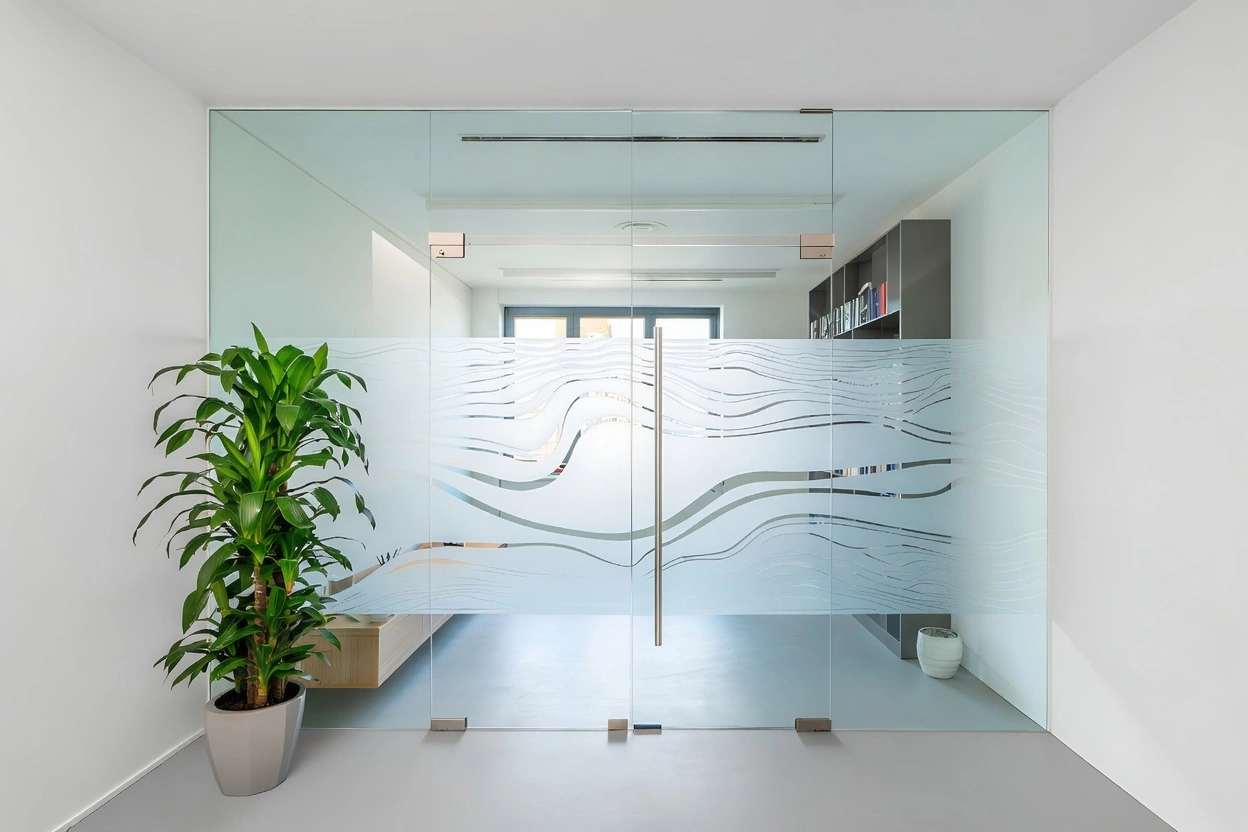
Frosted decorative window film installation in a Mesa AZ home

Frosted, etched, and patterned film is a common upgrade for bathroom windows, front doors with sidelights, home offices with interior glass, and pantry or laundry room windows where you want light without a clear view through.

Since it's decorative rather than solar-rated, we can pair with a heat-rejecting film underneath on exterior-facing glass, so you get the frosted look and the heat control in the same window.

  • Frosted, etched, and custom pattern options
  • Common for bathrooms, front doors, and interior glass
  • Can be layered with solar or UV film on exterior windows
  • Custom cut for sidelights, transoms, and odd shapes
🔒

Security & Safety Window Film

Security film is a thicker, reinforced film applied with an attachment system that holds glass together instead of letting it shatter into the room. In Mesa, that matters most during monsoon season — haboobs and downdraft winds can send tree branches, gravel, and roof debris into windows and sliding doors, and security film keeps a cracked pane from spraying glass across the room. It also slows down forced entry, since an intruder has to work through glass that's still held in place.

You can pair it on ground-floor windows and sliding glass doors while using standard solar or ceramic film on upper-story glass where forced entry isn't the concern.

  • Holds shattered glass together instead of spraying into the room
  • Common on ground-floor windows and sliding glass doors
  • Helps with wind-blown debris during monsoon season
  • Can be combined with solar or UV protection in one film
🕶

Anti-Glare Film for Pools, TVs & Offices

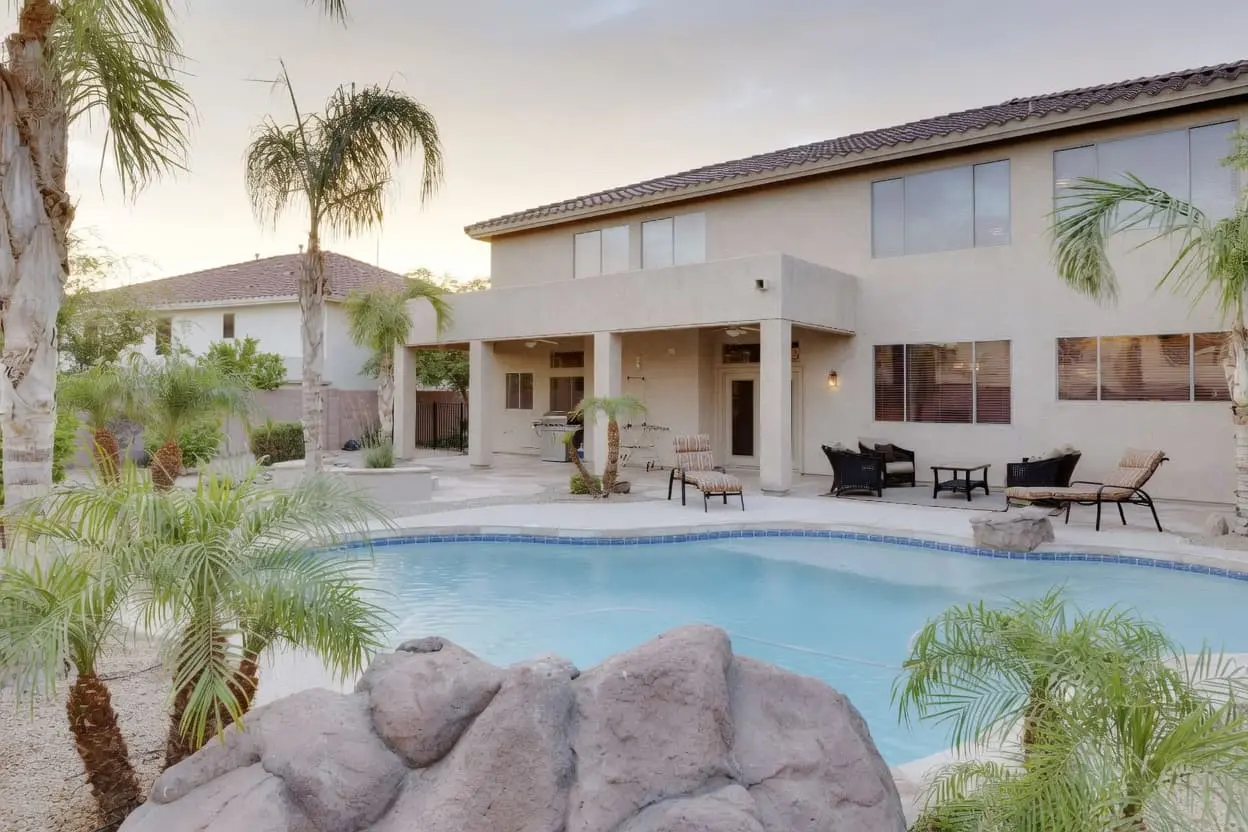
Anti-glare window film installation near a Mesa AZ backyard pool

Homes with a backyard pool, a west-facing home office, or a great room with a wall-mounted TV often deal with harsh reflected glare in the afternoon that makes screens hard to see and rooms uncomfortable to sit in.

We select film specifically to knock down that glare without over-darkening your space.

  • Cuts harsh reflected glare off pools and hardscape
  • Improves TV and monitor visibility in bright rooms
  • Ideal for home offices with west or south-facing windows
  • Balanced for comfort, not just maximum darkness
🌿

Turf & Landscape Protection Film

Exterior window film preventing artificial turf melt from window reflection in Mesa

Ever see a brown "scorch stripe" on your artificial turf that tracks with the sun? Low-emissivity (Low-E) window coatings, while great for energy efficiency, can reflect and concentrate sunlight onto whatever's nearby — and that concentrated heat can be enough to melt or discolor turf. The effect is strongest on windows with a slight concave curve, where it focuses the reflection onto one narrow spot instead of spreading it out.

We install exterior anti-reflective films designed specifically to diffuse that reflection before it leaves the glass. This way, you can protect your turf investment for the long-term.

  • Stops window reflections from melting artificial turf and vinyl fences
  • Exterior-mounted film engineered for direct Arizona sun exposure
  • Also reduces bird strikes on large reflective windows
  • A fraction of the cost of replacing melted turf panels
🏘

HOA & New-Build Window Film
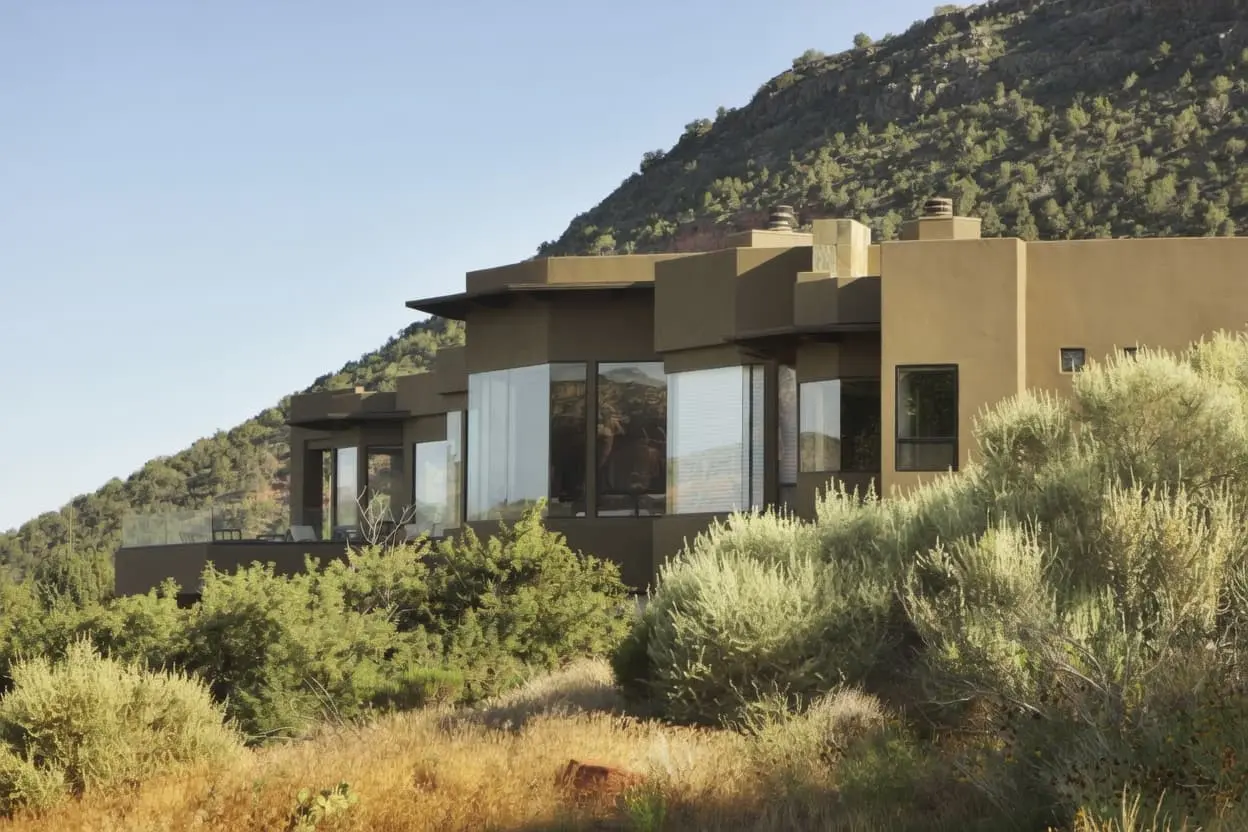
Neutral, HOA-approved window film installed on a home in a Mesa community, Arizona

Many newer Mesa communities — Eastmark, Las Sendas, Red Mountain Ranch, and similar HOA neighborhoods — have architectural guidelines on how window film can look from the street, usually requiring a neutral, non-mirrored appearance. We check your specific community's guidelines before recommending anything, and can help you pick a neutral, spectrally selective film built to meet them.

Also, some window manufacturers publish an approved list of films for their Low-E glass, since the wrong film can raise glass temperature enough to cause thermal stress cracking. We check your window manufacturer before recommending a film, so what we install protects your glass warranty.

  • Neutral, non-mirrored film matched to your HOA's guidelines
  • Film selected to work with your window manufacturer's warranty
  • Documentation provided for HOA architectural review submissions
  • Experience across Mesa's newer master-planned communities
🏢

Rental, Commercial & HOA Common-Area Tinting

Window film installed on a Mesa rental property to lower cooling costs between guest stays

Tinted windows pay for themselves fast: lower cooling bills between guest stays on your rental property, fewer complaints about hot west-facing units, comfortable employees and protected merchandise in a storefront or office.

We tint rental properties, offices, storefronts, clubhouses, and HOA common buildings throughout the East Valley, and we make the approval side easy too. If your board or committee needs film samples, reflectivity specs, or product documentation, we already have it ready. That paperwork is usually the slowest part of a multi-unit or commercial project, so we handle it upfront instead of making you chase it down.

  • Rental and vacation-property packages with volume pricing
  • Samples and spec sheets provided for board and ARC approval
  • Uniform exterior appearance across multi-window facades
  • After-hours and weekend installs available for businesses
What We Install With

Window Film Types, Brands & Specs That Matter in Mesa

Not all window film performs the same in our climate. Here's what actually goes into a Mesa-grade residential window tinting job:

Dyed, Metalized, Hybrid & Ceramic Film

Dyed film is the most affordable option and mainly reduces glare and adds privacy, but it absorbs heat rather than rejecting it and can fade or turn purple over years of direct Arizona sun. Metalized film reflects more heat but can interfere with cell and Wi-Fi signal and, on some Low-E glass, adds enough extra heat absorption to be a real thermal-stress concern. Ceramic and nano-ceramic film — the category we install most in Mesa — rejects heat through non-metallic nanoparticles instead, giving you the heat control without the signal interference or the fading dyed film is known for.

Well-Known Window Film Brands

We install a mix of established film lines from major manufacturers — the same ceramic and spectrally selective product families made by names like 3M, LLumar, SunTek, and Solar Gard — alongside brand-agnostic ceramic films that hit the same specs at a lower price point. Which one makes sense depends on your budget, your glass type, and how dark or neutral you want the finished look. As a local business, we pride ourselves on walking you through the tradeoffs, so you end up with the best solution for your home.

Visible Light Transmission (VLT) Explained

VLT is the percentage of visible light a film lets through — a 35% VLT film lets in 35% of visible light and blocks the rest. Lower VLT means a darker, more private look; higher VLT (like 50–70%) keeps a room brighter while still cutting a meaningful amount of heat and UV. Most Mesa homeowners land somewhere in the 35–50% range for a balance of comfort and natural light, though pool and patio glass sometimes goes darker.

Infrared (IR) Rejection vs. Total Solar Energy Rejected

Not every "heat rejection" number tells the same story. Some films advertise blocking 97% of the sun's heat, but that number is often measured at the one wavelength where the film happens to perform best, not across all the heat the sun actually puts out.

Total Solar Energy Rejected is the number that measures everything together — heat, light, and UV combined — rather than picking the film's best single result. That's the number we walk through with you during your estimate, because it's the one that accurately predicts how much cooler your room will feel.

Dual-Pane, Low-E Glass & Thermal Stress

Most Mesa homes built in the last 20+ years have dual-pane, Low-E coated glass, which already absorbs and reflects heat differently than older single-pane glass. Adding the wrong film can raise the temperature of the glass enough to cause thermal stress cracking, especially near the edges of the pane. We check your glass type before recommending a film, and on Low-E dual-pane glass we typically steer toward specific ceramic and spectrally selective products engineered for that combination.

Lifetime, Non-Prorated Warranties

Quality residential film in Mesa typically carry a lifetime warranty against bubbling, peeling, cracking, and color fading, backed by the manufacturer rather than just the installer. On the right film-to-glass combination, some manufacturers also cover glass breakage and seal failure for a limited number of years — but only when the film is installed by an authorized dealer on their approved list like us. We only install film lines that carry this full coverage, and we'll walk through exactly what's included, what's excluded, and how long each piece lasts during your estimate.

Home Window Tinting Options for Mesa Homes, at a Glance
Film Type Installed Cost* Heat Rejection Typical VLT Signal Interference Best For
Dyed Film $6–$10/sq ft Low to moderate: absorbs heat rather than reject it 20–50% None Budget glare and privacy on a low-visibility window
Metalized Film $7–$15/sq ft Moderate to high 15–35% Can interfere with cell signal, Wi-Fi & garage remotes Lower-cost heat rejection where signal isn't a concern
Ceramic Film $11–$18/sq ft High, without adding reflectivity 35–50% None West-facing rooms, dual-pane Low-E glass, a natural look
Reflective / Privacy Film $7–$15/sq ft Moderate to high 15–35%, mirrored appearance Varies by product Maximum daytime privacy on street-facing windows

*Typical installed pricing in the Phoenix-Mesa market. Final cost depends on glass size, access, and film brand.

Compare Your Options

Window Film vs. Sun Screens, Blinds & Window Replacement

Window film isn't the only way to fight Mesa's sun, and it isn't always the right call for every window. Here's how it stacks up against the other common options, side by side.

Home Window Tinting vs. Other Heat & Glare Solutions
Option Typical Cost Blocks Heat at the Glass? View & Natural Light Maintenance Best For
Window Film $6–$18/sq ft installed Yes Keep your full view; natural light depends on VLT chosen Wipe down like normal glass Whole-home comfort without changing how the house looks
Exterior Solar Screens $100–$300 per window Yes Noticeably darkens the room; view blurred through the mesh Collects dust, can sag or tear over time Windows where the view out doesn't matter
Blinds & Curtains $50–$300+ per window No, heat is already inside once it hits the covering Blocks view and light whenever closed Dusting, cords, and mechanisms to maintain Nighttime privacy, not daytime heat control
Window Replacement $400–$1,200 per window; $5,000–$20,000+ whole-home Yes, if upgraded to efficient glass Full view, brand-new glass Low, aside from long-term seal life Windows that are already failing or damaged

Most Mesa homeowners get the best value pairing film on the windows they look through with screens or coverings elsewhere. For the deeper trade-offs behind each option, see our film comparison FAQs below.

What to Expect

How Our Home Window Tinting Process Works

Most homes are tinted in a single day — many in half a day — with zero mess and no toxic chemicals. We handle the glass compatibility checks and film selection homework so you're not gambling with your windows. Here's what it looks like:

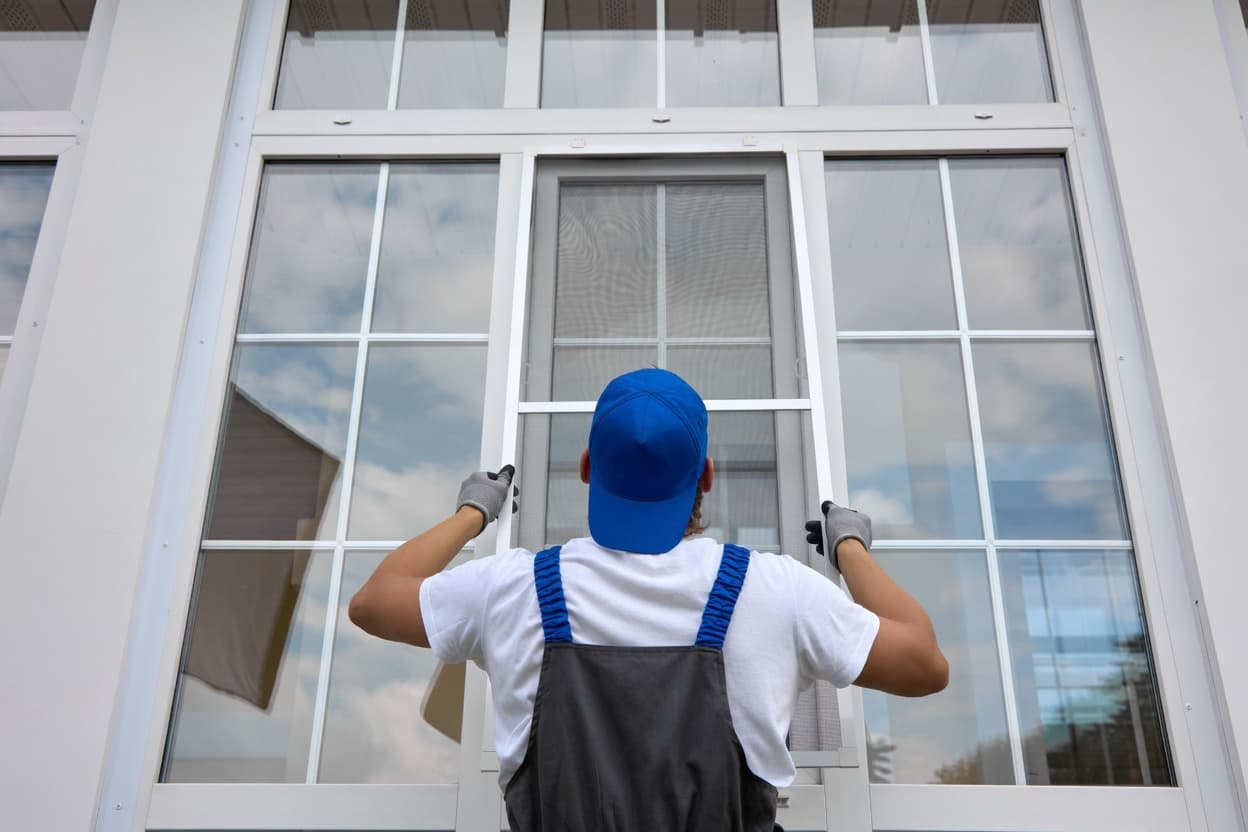
Contractor assessing windows before home window tinting installation in Mesa AZ

Free Assessment

We identify your glass type (single-pane, dual-pane, low-E), note sun exposure for each room, and give you a clear, window-by-window quote.

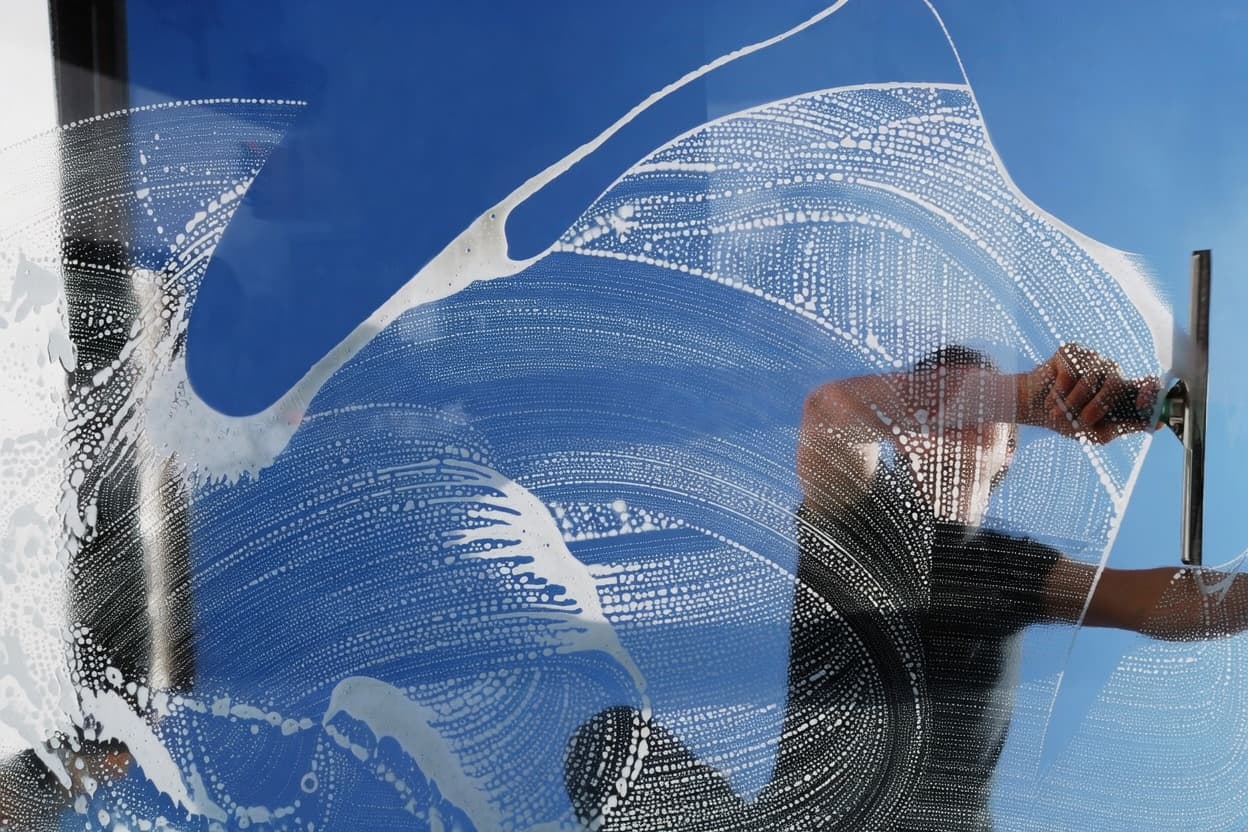
Window cleaning and preparation before film installation

Deep Clean & Prep

Every window is scraped, cleaned, and inspected for existing damage or old film residue before installation. A clean surface keeps film from bubbling or lifting later.

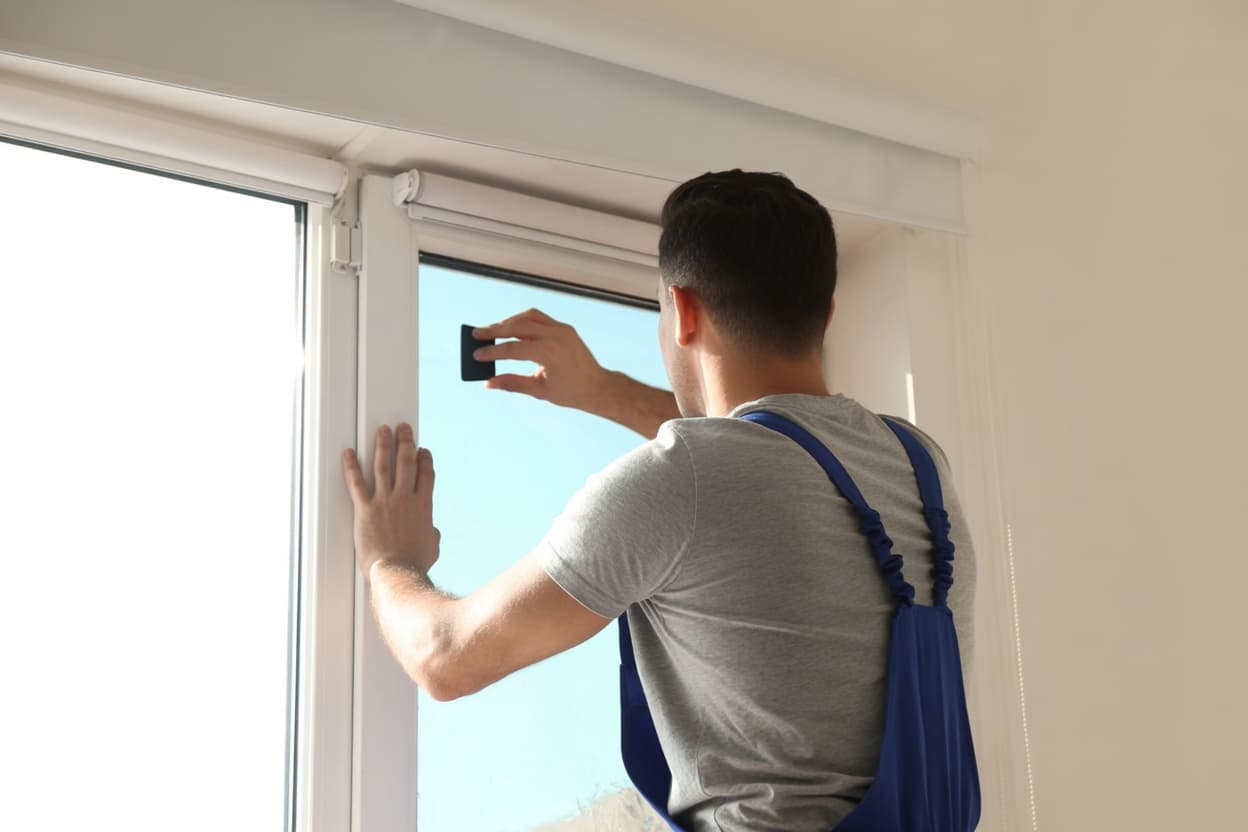
Window film being applied to glass during installation

Precision Film Application

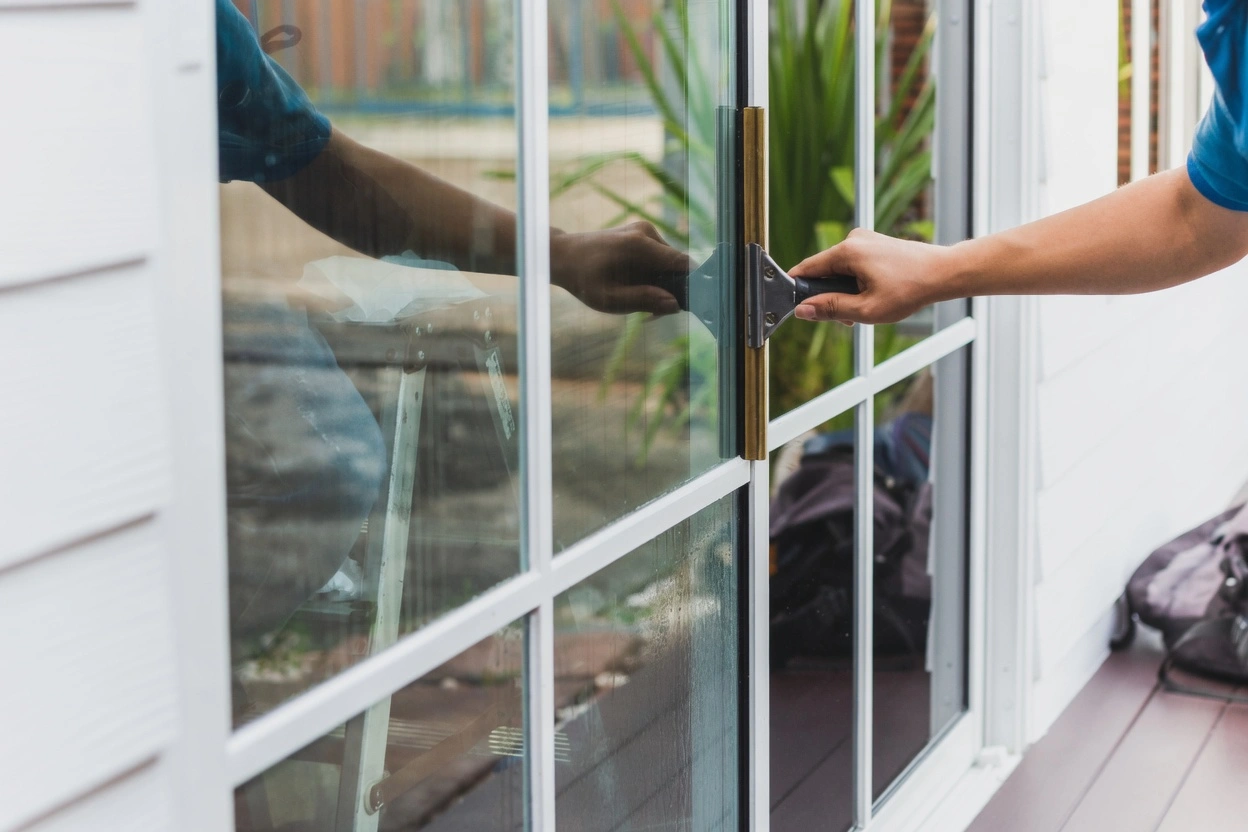
Film is cut to size, wet-applied with a filtered water and soap solution, and squeegeed to remove air and moisture so the finished surface is smooth, clear, and free of visible edges.

Final walkthrough of completed window tinting installation

Cure Time & Final Walkthrough

We explain the 30-day cure window, what to expect as any remaining moisture clears, and walk the finished job with you room by room before we leave.

Who We Are

Local Window Tinting Installer Serving Mesa for 15+ Years

Family-Owned, AZ ROC-Licensed Crew

We're a family-owned crew based in Mesa, not a call center dispatching a subcontractor. The person who quotes your job is the same person on the ladder applying the film— licensed with the Arizona Registrar of Contractors, bonded, and insured.

Window Film Matched to Your Mesa Home

Mesa's housing stock spans fifty years, and the right film changes with it. Older neighborhoods like Dobson Ranch, West Mesa, and the retirement communities off Southern still have plenty of single-pane glass, which takes film smoothly and qualifies for SRP's rebate. Newer builds in Eastmark, Mountain Bridge, Las Sendas, and Cadence have dual-pane low-E windows that need compatibility-checked films to stay safe and keep warranties intact. We've worked on all of it, and we spec each house window by window.

We Handle HOAs & Warranty Fine Print

We also know the local approval side of things. A number of Mesa's master-planned communities require architectural committee sign-off before exterior-facing film goes on, and some window manufacturers have specific language about which films are approved without voiding the glass warranty. We walk homeowners through both before a single window gets touched.

✓ Free Estimates ✓ AZ ROC Licensed & Insured ✓ Lifetime Warranty
Mesa AZ home with newly installed window film
A quick note on the SRP rebate: Most of Mesa is on SRP electric. SRP's window film rebate program pays $1.00 per square foot for qualifying solar window film on sun-struck windows (west-, south-, and east-facing) that enclose an air-conditioned space. The film needs an NFRC-rated solar heat gain coefficient of 0.45 or lower on double-pane glass, or 0.40 or lower on single-pane, and the application has to be submitted within six months of installation. Program terms change, so we can confirm current eligibility for your address during your free estimate and help with the paperwork if you qualify.

What Mesa Homeowners Say

★★★★★

"Our living room was unusable by 3pm every afternoon. After the ceramic film went in, it's actually comfortable to sit in there now, and our AC isn't running nonstop. Glad we did this!"

— David R., Las Sendas
★★★★★

"They explained why our windows needed a specific film instead of whatever was most expensive. Appreciated that they didn't just try to upsell us and actually checked our glass first."

— Sandra M., Eastmark
★★★★★

"They explained the SRP rebate, handled the paperwork, and the film around our windows knocked our July bill down by a lot."

— Carlos P., Dobson Ranch
Areas We Serve

Home Window Tinting Near Mesa, AZ

We install residential window film throughout Mesa and the greater East Valley, including many of the area's established neighborhoods and newer master-planned communities. If you don't see your neighborhood listed below, give us a call — we may still serve your area.

Mesa Neighborhoods We Serve

Eastmark Las Sendas Dobson Ranch Red Mountain Ranch Mountain Bridge Alta Mesa Cadence Superstition Springs Downtown Mesa Lehi Leisure World Sunland Village

East Valley Cities We Serve

Gilbert Chandler Tempe Scottsdale Queen Creek San Tan Valley Apache Junction Gold Canyon Fountain Hills Ahwatukee Phoenix Paradise Valley
FAQ

Home Window Tinting FAQs

Common questions if you're comparing home window tinting options in Mesa, organized by topic.

Home Window Tinting Cost, DIY vs. Choosing an Installer

How much does home window tinting cost in Mesa?

Most residential jobs run about $6–$18 per square foot of glass installed, depending on the film type and how many windows we're doing. Standard solar control film sits at the lower end; premium ceramic, dual-reflective, and security films run higher. For a typical Mesa single-story home, tinting the sun-struck windows usually lands somewhere between $500-$1,800, while a full whole-home install on a larger two-story can run $2,000–$6,000+.

Doing more windows at once brings the per-square-foot price down, since setup time gets spread across the job. There's also rebates: SRP currently pays $1.00 per square foot on qualifying solar window film installed on sun-struck windows — so a 300-square-foot project can put around $300 back in your pocket, effectively saving 6-17% off the installed price. Not every film or window qualifies, so we check your address and film selection against the current program at your estimate and handle the rebate paperwork for you if you qualify. The best way to get an accurate number for your home is a free estimate — call (480) 637-2762 to get yours.

Can I install window tint myself to save money?

You can — DIY window film kits are inexpensive and can work fine for a quick privacy fix on a small window, but in Mesa's climate they tend to show their limits fast. Most kits use basic dyed film without professional-grade adhesive, and without a controlled, dust-free application they're prone to bubbling, hazing, and lifting at the edges under direct desert sun.

The bigger risk is on dual-pane Low-E windows, which are common throughout Mesa's newer neighborhoods. A DIY kit that isn't rated for that glass type can trap enough extra heat to contribute to thermal stress cracking, which is a repair cost that dwarfs what you'd have spent on a professional installation in the first place. If your goal is a long-term, warrantied result rather than a quick fix on a low-visibility window, professional installation is a safer bet.

One more factor worth knowing: SRP's window film rebate requires the film to carry NFRC-certified solar heat gain documentation, and the film sold in DIY kits generally doesn't have it. If the rebate is part of your math, that alone can close some of the price gap.

What should I look for when choosing a home window tinting company in Mesa?

Four things separate an install that lasts decades from one that peels or cracks your glass: whether they're licensed with the Arizona Registrar of Contractors, whether they're an authorized dealer for the film brand they install (that's what activates the manufacturer's warranty, including glass breakage coverage), whether they check your specific glass against the film maker's compatibility chart, and whether the warranty covers workmanship, not just the film.

It's also worth asking what film construction they're quoting. "Heat rejection" numbers get thrown around loosely — a cheap dyed film and a nano-ceramic film can both be marketed with big percentages, but only one of them will still look good after multiple Arizona summers. Ask for the TSER spec sheet, not just a sales number.

For what it's worth, we built our own business around that checklist: we're ROC-licensed and insured, we install warrantied film lines with the NFRC documentation SRP asks for at rebate time, and we put the glass compatibility check in writing on every quote. Ask any installer you're comparing the same four questions — including us. If we're not the right fit for your project, you'll at least walk away knowing exactly what to look for.

Do you offer a warranty on home window tinting?

Yes, two layers of it. The film itself carries the manufacturer's residential warranty — lifetime on the films we install most — covering bubbling, peeling, cracking, delamination, and color change. On applications the manufacturer has approved for your glass type, that warranty also covers glass breakage and seal failure. On top of that, we warranty our own installation workmanship. We'll go over exactly what's covered and for how long during your estimate, in writing.

Do you offer financing for window tinting projects?

Yes, we offer flexible financing so you don't have to pay for a whole-house project upfront. During your free estimate we'll walk through available plans and estimated monthly payments so you can decide what fits your budget before committing to anything.

Benefits & Energy Savings in Mesa's Climate

Will window tinting actually lower my energy bill in Mesa?

For most Mesa homes, yes. Windows are one of the biggest sources of heat gain, and cooling dominates Valley electric bills. How much you save depends on your window area, orientation, glass type, and shading; homes with big unshaded west- and south-facing glass see the largest drop. Utilities in the Valley have promoted window shading measures for years precisely because reducing solar gain at sun-struck windows measurably cuts cooling load — it's the same logic behind SRP's shade screen and window film rebate.

We won't promise you a specific percentage, because anyone who does is guessing. What we can do at the estimate is show you which of your windows are doing the most damage and what film on those windows will realistically change.

My windows are already Low-E, do I still need window film?

It's a fair question, since Low-E glass is genuinely good technology — the real answer is that film and Low-E do different jobs. Low-E coatings block a substantial share of UV, but they don't get close to the 99% a dedicated film blocks, and UV is only about 40% of what causes fading in the first place. Visible light and solar heat cause most of the rest, and plenty of both come straight through Low-E glass. That's why furniture, wood floors, and artwork in newer Mesa homes still fade over time, especially in rooms with long, direct sun exposure.

The same logic applies to heat and glare: Low-E takes the edge off, but a west-facing great room in Eastmark or Cadence still bakes every afternoon. Adding a compatible ceramic film on top of Low-E glass closes the gap on all three fronts — UV, heat, and glare. The one thing that matters is film selection: Low-E units can only take films rated for them, which is exactly the compatibility check we do before quoting.

Is window tinting worth it for a home I'm planning to sell?

Often, yes — and for less obvious reasons than curb appeal. Buyers touring Mesa homes feel the difference immediately in a west-facing room that isn't baking at 4pm, and cooler, brighter rooms without closed blinds simply show better. If sun exposure has already visibly faded flooring near the windows, film also signals the problem has been addressed rather than left for the buyer.

Two practical notes: the manufacturer warranties on quality residential film are typically transferable to the new owner, which is a real line item for your listing agent to mention. And if you're some time out from listing, installing now means you get the comfort and lower SRP bills in the meantime — it's one of the few pre-sale upgrades you benefit from while you wait.

What are the downsides of home window tinting?

The main tradeoffs are upfront cost, a slightly reduced amount of natural light depending on the VLT you choose, and if the wrong film is matched to the wrong glass, a risk of thermal stress on dual-pane Low-E windows. That last one is entirely avoidable with a proper compatibility check by a professional home window tinting company.

Film Types, Specs & How Tint Compares to Alternatives

What's the difference between ceramic, metalized, and dyed window film?

Dyed film is the most affordable and mainly cuts glare and adds privacy by absorbing light, but it absorbs rather than reflects heat and can fade or turn purple over years in direct Arizona sun. Metalized film reflects more heat using thin metal layers, but it can interfere with cell signal, Wi-Fi, and garage remotes, and on some glass adds enough heat absorption to be a thermal-stress concern. Ceramic film uses non-metallic nanoparticles to reject heat instead, giving strong infrared rejection without the signal interference or fading issues of the other two.

The tradeoff with ceramic is price — it's the premium tier, and not every window needs it. A west-facing great room that bakes all afternoon earns the ceramic spend; a shaded north-facing bedroom often doesn't. We spec film room by room based on sun exposure and what each space is used for, choosing shades that still look consistent from the street, giving you the best return on your investment.

What VLT percentage should I choose for my home?

VLT is the percentage of visible light the film lets through. Most Mesa homeowners land in the 35–50% range for a balance of comfort, privacy, and natural light, though HOA-restricted communities sometimes require film in a specific VLT range to avoid a heavily mirrored look. Pool and patio glass, where you're only worried about glare, sometimes goes darker than living space glass.

The catch is that VLT numbers on a spec sheet don't tell you how a film will actually feel in your rooms — a 35% film can feel airy in a bright south-facing kitchen but too dark in a shaded den. That's why we bring physical samples to every estimate and hold them against your actual glass, in your light, at the time of day the room matters most to you. Picking from real samples on your own windows is the difference between loving the result and wishing you'd gone one shade lighter.

Does ceramic window film block cell phone or Wi-Fi signal?

No, this is one of ceramic film's main advantages over older metalized film. Because ceramic film uses non-metallic nanoparticles rather than a thin metal layer, it doesn't create the same signal interference some homeowners notice with metalized film on cell reception, Wi-Fi, or garage door remotes.

What's the difference between infrared rejection and total solar energy rejected?

Infrared rejection describes how well a film blocks the specific wavelengths that carry heat, while total solar energy rejected accounts for the full spectrum of sunlight, including visible light and UV. A film can carry a lighter, more natural-looking VLT and still reject a high percentage of infrared heat — that's the core advantage of premium ceramic film over older dyed film that has to go dark to feel cooler.

Should I use a brand-name film like 3M or LLumar, or is a generic ceramic film good enough?

Both can perform well — the real question is the film's actual spec sheet (VLT, infrared rejection, warranty terms) rather than the logo on the box. Established brands like 3M, LLumar, SunTek, and Solar Gard have a long track record and strong warranty backing, which is worth the premium for some homeowners. Other solid brand-agnostic ceramic films can hit very similar performance numbers at a lower price point. We'll walk you through both options and their warranties to help you make the best decision.

Window tint vs. sun screens in Arizona — which is better?

They solve the same problem differently. Exterior solar screens block heat before it hits the glass and are extremely effective, but they darken the room noticeably, blur your view out, collect monsoon dust, and change your home's exterior look — some HOAs restrict the fabric colors altogether. Window film is subtle to invisible, keeps your view crisp, blocks up to 99% of UV, never sags or tears, and needs zero maintenance beyond normal window cleaning.

A setup we often recommend: film on the windows you look through — great room, kitchen, anywhere with a view — and screens on windows where the view doesn't matter. Both can qualify for SRP's rebate program on eligible windows, so the choice comes down to each window's job, not one product being universally better.

Is window tint cheaper than replacing my windows?

Yes, whole-home window replacement in the Valley routinely runs $5,000–$20,000+, while tinting the same windows costs a small fraction of that and captures a large share of the heat-rejection benefit. If your windows are physically sound — no fogged seals, no frame damage — film is the better investment. If your windows are failing anyway, replace them, and we can tint the new glass with a compatible film if you want to push performance further.

Do blinds and curtains work as well as window tint for heat?

Not really, and here's why: by the time sunlight has passed through your glass and hit the blinds, the heat is already inside your house. Interior coverings trap some of it against the window, but that pocket of hot air still radiates into the room — plus you've given up your view and natural light. Window film rejects solar energy at the glass, before it enters, while leaving the window fully usable.

Can I use car window tint on my house windows?

No, this can damage window glass. Automotive film is engineered for single-pane tempered curved glass with constant airflow, and much of it absorbs heat by design. On a flat residential window, especially dual-pane, that absorbed heat has nowhere to go and can thermally crack the glass or cook the seal. Residential film is a different product line with different adhesives, thicknesses, and glass compatibility ratings.

Dual-Pane, Low-E Glass & Thermal Stress

Can window film crack dual-pane or Low-E windows?

It can, if the wrong film is applied to the wrong glass. Dual-pane Low-E glass already absorbs and reflects heat differently than standard glass, and adding a film that's too dark or too reflective for that specific glass can raise the temperature of the pane enough to cause thermal stress cracking near the edges.

This is a real, well-documented issue in the industry, and it's exactly why we check your window manufacturer and glass spec before recommending a product rather than installing the same film on every type of glass.

How do I know if my Mesa home has single-pane or dual-pane Low-E glass?

Homes built roughly in the last two decades in Mesa's newer communities typically have dual-pane Low-E glass as a standard builder feature. Older homes near established areas like Dobson Ranch or Alta Mesa may still have original single-pane glass or early-generation dual-pane. We identify your glass type as part of the free assessment, since it's not always obvious just by looking at the window.

Can you tint old single-pane windows?

Absolutely — single-pane glass is the easiest, safest application there is, and Mesa has plenty of it in neighborhoods built from the '60s through the '80s. Tinting can really transform single-pane windows because they have zero built-in solar performance: no coating, no air gap. So older Mesa homes often get the best economics — the biggest comfort gain, the lowest glass risk, and SRP rebate eligibility on sun-struck windows at the single-pane threshold.

Will window tinting void my window manufacturer's warranty?

It depends on the manufacturer and the film. Some window manufacturers publish a list of approved films for their Low-E dual-pane products and will honor the glass warranty as long as an approved film is used; installing an unapproved or overly dark film on the wrong glass type is what actually creates risk. Other manufacturers exclude film-related damage entirely — and that's where the film side of the equation steps in: when an approved film is professionally installed by an authorized dealer, the film manufacturer's warranty covers glass breakage and seal failure on that application, effectively replacing the coverage the window maker excludes.

We check your specific window brand before recommending a product, and we'll tell you in writing what your film warranty covers, so this isn't something you find out about after the fact.

What film is safe for Low-E dual-pane windows in Arizona?

Generally, spectrally selective ceramic films engineered specifically for Low-E glass are the safest choice, since they're designed to reject heat without pushing the glass temperature into the range that causes thermal stress. Very dark, highly reflective, or older metalized films are the ones most likely to cause a problem on this glass type, which is why we steer away from them on dual-pane Low-E windows in almost every case.

What's the difference between interior and exterior window film?

Interior film goes on the inside surface of your glass: it's protected from weather, lasts longest, and is the standard for residential solar and privacy film. Exterior film goes on the outside surface and is used when the glass can't safely take interior film (certain Low-E and specialty units) or on glass you can't access from inside. Exterior films are built with weather-hardened coatings but still live a harder life in Arizona sun than interior films — we'll walk through the tradeoff when an exterior application is the right call.

Durability, Warranty & Maintenance

How long does home window tinting last in Arizona's heat?

Quality ceramic film professionally installed in Mesa typically performs well for 15–20+ years. Lower-grade dyed film can start showing purpling or edge lifting significantly sooner under constant, near year-round Arizona sun.

It's worth understanding how that lifespan relates to the "lifetime warranty," since they're two different things. The warranty covers defects — bubbling, peeling, cracking, discoloration. The 15–20+ year figure is the typical service life: how long the film performs at a high level before normal aging might make replacement worth considering. So the warranty protects you against the film failing, and the lifespan is what you can expect from it performing.

Why do some tinted windows turn purple and bubble?

That's dyed film at the end of its life. The purple color comes from UV breaking down the dye pigments, and the bubbles are the adhesive letting go after years of daily heat cycling — and Arizona sun accelerates both, which is why cheap tints fail here in Mesa much faster than almost anywhere in the country. Carbon and ceramic films don't use dye at all, so there's nothing to turn purple, and their adhesives are built for sustained high temperatures. If your current tint has gone purple and bubbly, we can strip it and install film that won't put you back in the same spot again.

Can window film be repaired if it's damaged?

Small nicks, scratches, or a lifted corner can sometimes be addressed without replacing the whole panel, but in most cases a damaged section of film needs to be replaced on that specific pane rather than patched, since film doesn't blend seamlessly the way some other materials do. We can take a look and tell you honestly whether it's a simple fix or a full-panel replacement.

Can window film be removed later?

Yes. Professional film is designed to be removable — it comes off with heat, a careful scraping technique, and adhesive remover, leaving the glass clean. It's time-consuming, but it does no harm to the glass when done right. This matters for homes going on the market where a buyer might want changes, and for anyone replacing failed DIY film — old sun-baked dyed film is the stubborn stuff, and we remove a lot of it before installing the real thing.

How do I clean windows after they've been tinted?

Use a soft cloth or squeegee with a mild soap-and-water solution or an ammonia-free glass cleaner, and avoid abrasive scrubbers or scraper blades on the film side of the glass. Ammonia-based cleaners can degrade film adhesive over time, so we always give new customers helpful maintenance tips after installation.

Why does my new window film look hazy or have small bubbles right after installation?

This is normal and expected. Film is installed using a water-based application solution, and it takes roughly 2–4 weeks — often quicker in Mesa's summer, sometimes longer in cooler months — for that moisture to fully evaporate through the film. During that cure period you may see a light haze or small water pockets that clear on their own; it's not a sign of a failed installation. Don't press on the pockets, and hold off on cleaning the interior surface until the cure period has passed. See our installation process for what happens at each step.

Does window film scratch easily?

Quality residential film includes a scratch-resistant coating on the exposed surface, which handles normal cleaning without an issue. It's not indestructible, though, so we recommend avoiding razor blades, abrasive pads, and rough scrubbing directly on tinted glass.

Does monsoon season affect window film?

Interior film is completely unaffected: it's inside your house, protected from dust, rain, and wind. But security film meaningfully upgrades your windows against wind-thrown debris by holding shattered glass in the frame instead of letting it spray into the room. Exterior films, like turf protection film, are weather-rated for outdoor exposure; after a big dust storm, rinse them off the same way you would any exterior glass before wiping.

Specialty Projects, Property Types & Scheduling

Can you tint Arcadia doors and big sliding glass doors?

Yes, and they're often the single best glass to treat in the whole house. Arcadia sliders are huge panes usually facing the backyard patio so they pour in more heat than any three regular windows combined. They're also a common break-in point on Valley homes, which is why some homeowners choose a combined solar-plus-security film.

My windows are melting my artificial turf — can window film fix that?

Yes, this is a real and increasingly common Valley problem, and it has a proven fix. Energy-efficient Low-E windows reflect concentrated sunlight outward, and that focused beam can exceed turf's melting point (around 175°F for most products), leaving a brown melted stripe that tracks the sun's path. It can also warp vinyl fences and damage siding. We install exterior anti-reflective film engineered to scatter that reflection at the glass, protecting your turf, your fence, and your neighbor relations — for far less than replacing turf panels or windows.

Is window tint worth it for a rental or Airbnb property?

It's one of the better landlord upgrades in this market. Tint cuts the cooling bills you eat during vacancies, reduces heat complaints and the maintenance calls that come with them, protects flooring and furnishings you'd otherwise replace more often, and keeps short-term rental guests comfortable without them cranking the AC all week. We offer volume pricing for owners with multiple rental properties.

Can window film help with glare on my backyard pool or patio?

Yes. Reflected glare off a pool or hardscape patio is a common problem in Mesa homes with a lot of rear-facing glass, and we select film specifically to reduce that glare without over-darkening the room.

Is window film safe for homes with pets?

Yes. Once fully cured, quality window film is inert — it won't off-gas or pose any health risk to pets. The one thing to watch for is during the first few weeks after installation: keep pets from scratching at the edges while the film is still curing, the same way you'd protect any new surface in your home while it settles in.

What's the best time of year to tint windows in Mesa?

We install year-round, and the finished performance is the same regardless of season. Some homeowners prefer scheduling in cooler months so you're protected before the heat arrives; installing mid-summer works just as well, with the bonus that the cure period goes faster in the heat. There's no wrong month: the base preparation and film selection matter far more than the calendar.

How long does a typical home window tinting job take?

Most homes are completed in a single day. Larger whole-house projects, homes with a lot of oversized glass, or jobs combining security film on some windows with solar film on others can run into a second day. We'll give you a realistic timeline at the estimate based on your specific window count.

Do you serve areas outside of Mesa?

Yes! We regularly install throughout Gilbert, Chandler, Tempe, Queen Creek, Apache Junction, Gold Canyon, Fountain Hills, San Tan Valley, Scottsdale, and the rest of the East Valley. If you're not sure whether your address is in our service area, just give us a call.

Mesa's Trusted Residential Window Tinting Company

Get your free, fast estimate. Handled by a local Mesa crew.

Insider Tips

What To Know Before Tinting Your Home's Windows

A few practical things worth knowing before you schedule, based on the conditions we see across Mesa and East Valley homes.

Check Your Glass Before You Get a Price

The single biggest factor in what film you should use (and whether a cheaper option is actually safe) is your glass type. Ask any installer whether they're checking for dual-pane Low-E glass before quoting, since that's what determines both the right product and your window manufacturer's warranty terms.

Don't Assume Darker Is Always Better

A darker film isn't automatically the best heat-blocker: infrared rejection matters more than visible darkness, and going too dark on the wrong glass type can actually create thermal stress risk. Ask about the specific IR rejection number rather than picking based on tint depth alone.

Compare Quotes on TSER

If you're comparing quotes, ask both installers for the film's TSER (Total Solar Energy Rejected) spec sheet. "Blocks 97% of heat" usually describes one narrow infrared band; TSER is the apples-to-apples number that accounts for the full spectrum. A quality mid-shade ceramic film in the 50–65% TSER range will outperform a flashier-sounding film with a lower TSER.

West and South Windows First If You're Phasing

If a whole-home install isn't in your budget, put the money where the sun is: west-facing glass takes the worst combined heat load in the Valley, south-facing is next. Phasing by facade keeps the house looking uniform from the street at every stage, and it gets you most of the comfort gain and energy savings.

Check the SRP Rebate

SRP currently pays a per-square-foot rebate on qualifying solar window film installed on sun-struck (west-, south-, and east-facing) windows, with applications due within six months of installation. The catch is documentation: the film needs an NFRC-certified solar heat gain rating, which professional film lines carry but DIY kits generally don't. Program terms are subject to change, we will also check it for you on any estimate.

Start HOA Applications Early

Many Mesa-area communities require architectural approval before exterior-facing changes, including window film. Start the application early and ask what VLT range, color, or documentation your review board requires. We can provide the materials commonly requested by HOA committees.

Match Privacy Film to the Right Room

One-way privacy film works great during the day but reverses at night with interior lights on. It's the right call for front-facing living rooms and home offices, but for bedrooms where nighttime privacy matters most, pairing it with blinds or curtains is usually the better long-term answer.

Ask About Combined Security and Solar Film

If you're considering security film for ground-floor windows or sliding doors, ask whether it can be combined with solar or UV protection in one product, so you're not choosing between safety and comfort on the same pane of glass.

Ready for a Cooler House and a Lower Utility Bill?

Call now for a free home window tinting estimate, or send the form and we'll follow up.

Phone: (480) 637-2762

Service area: Mesa, Gilbert, Chandler, Tempe, Queen Creek, Apache Junction, Gold Canyon, and the rest of the East Valley.

🔒 Your information is private.

☎ Call Now Free Estimate